The Federal Employees Health Benefits (FEHB) Program and the Postal Service Health Benefits (PSHB) Program provide health insurance to federal employees, retirees, and eligible family members (spouse and children under 26, and some disabled dependents). FEHB and PSHB allow employees to choose from a wide variety of HMOs, PPOs and fee-for-service options.
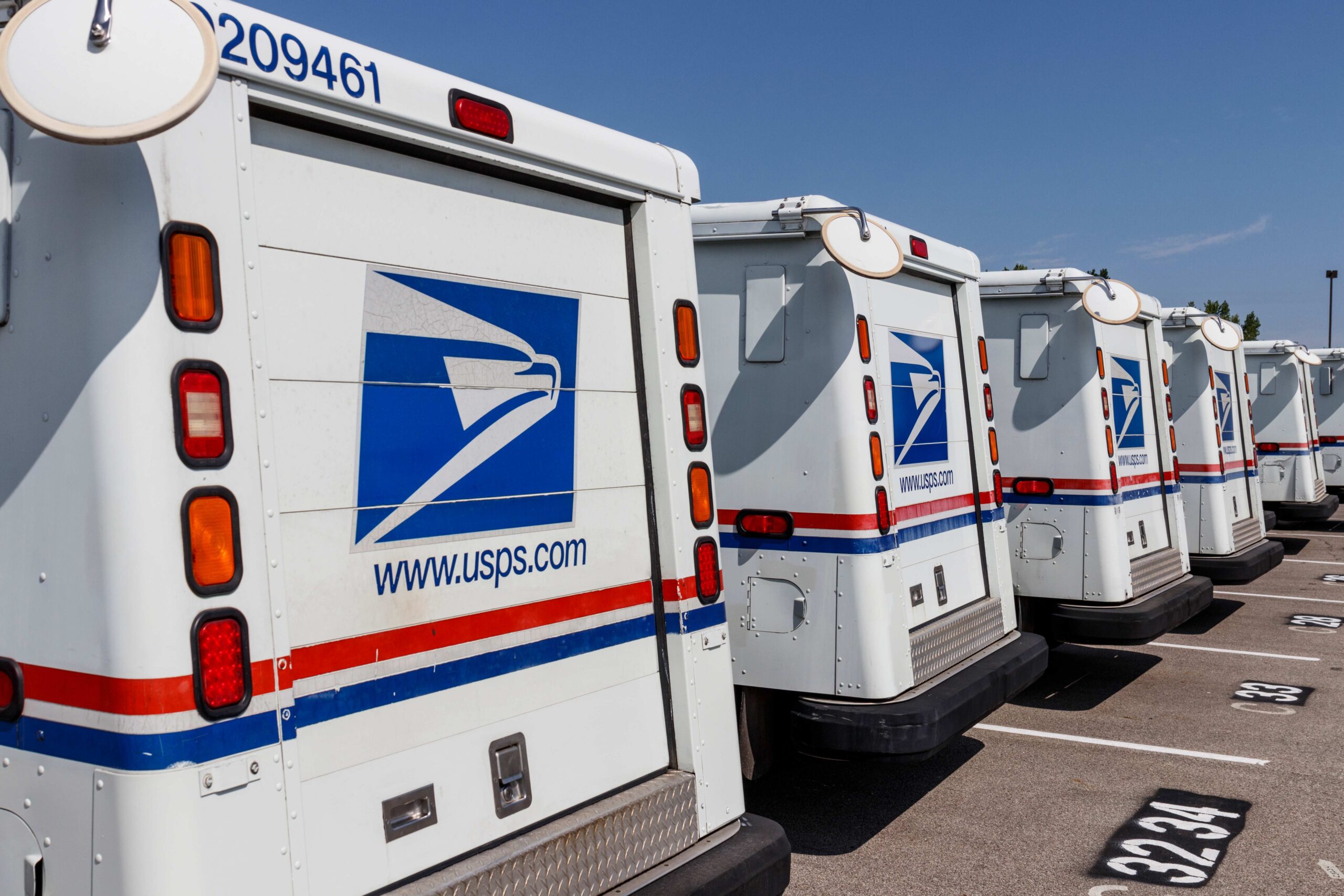

The Federal Employees Health Benefits (FEHB) Program and the Postal Service Health Benefits (PSHB) Program provide health insurance to federal employees, retirees, and eligible family members (spouse and children under 26, and some disabled dependents). FEHB and PSHB allow employees to choose from a wide variety of HMOs, PPOs and fee-for-service options.
FEHB Eligibility
Eligibility, unlike the FEGLI program, can, under certain conditions, include part-time, temporary, and seasonal employees. New employees need to state their enrollment preferences with the first 60-days of becoming a Federal Employee.
Plans have varying deductibles, copays, and out-of-pocket allowances, but the Government pays about 70-75% of the premium, with employees paying the remainder through pre-tax payroll deductions.
- FFS: Fee-for-Service Plans – Nationwide, often within PPO networks
- PPO: Preferred Provider Organization – Regionally-based health insurance that incentivizes in-network care, but offers flexibility in choosing doctors, specialists, and hospitals (generally more choice but higher premiums).
- PPO: Medicare Advantage (Medicare Part C) – Includes Medicare Parts A & B, plus extra benefits (vision, dental, hearing, prescription drugs), doesn’t require referrals for specialist, premiums can be more than HMO plans.
- HMO: Health Maintenance Organizations – Regionally-based, requiring in-network care and referrals for specialists (generally lower flexibility and cost).
- CDHP & HDHP: Consumer-Driven & High Deductible Health Plans– Paired with Health Savings Accounts (HSAs) or Health Reimbursement Arrangements (HRAs).
Changes in coverage can be made during Open Season, which usually runs from mid-November to mid-December. A Qualifying Life Event, like marriage or divorce, birth, adoption or death are additional life moments when changes in coverage are allowed.
Changes in coverage can be made during Open Season, which usually runs from mid-November to mid-December. A Qualifying Life Event, like marriage or divorce, birth, adoption or death are additional life moments when changes in coverage are allowed.
FEHB In Retirement
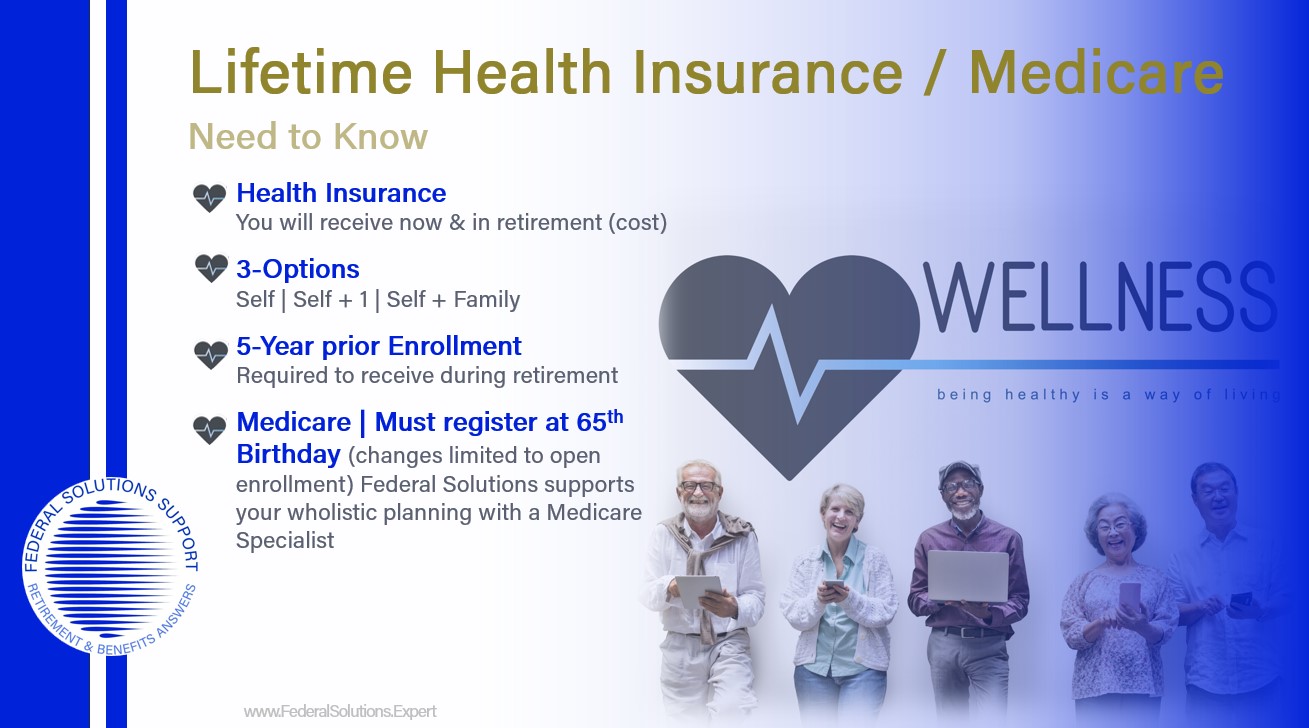
Retirees, also known as Annuitants, must have been enrolled in FEHB for at least 5-years before retirement to keep coverage in retirement.
Unlike private-sector plans, retirees do not have to enroll in Medicare, though Medicare Part B can coordinate with FEHB for lower out-of-pocket costs. Consult with a Medicare Expert who knows the Federal Space to get help deciding which plan best works for you.
PSHB
As USPS Employees are aware, PSHB (The Postal Service Health Benefits) Program replaced FEHB coverage for U.S. Postal Service (USPS) employees, retirees, and eligible family members this year, on January 1, 2025.
- Postal Retirees: If you will turn 65 on or after January 1, 2025, you’ll be required to enroll in Medicare Part B if you want to keep PSHB coverage. Those already retired (before 2025) aren’t required to enroll in Part B, but will have the option to enroll.